
Learn how to identify, document, and dispute inaccurate items with the three major credit bureaus, plus timelines, privacy tips, and what to do if a dispute ...
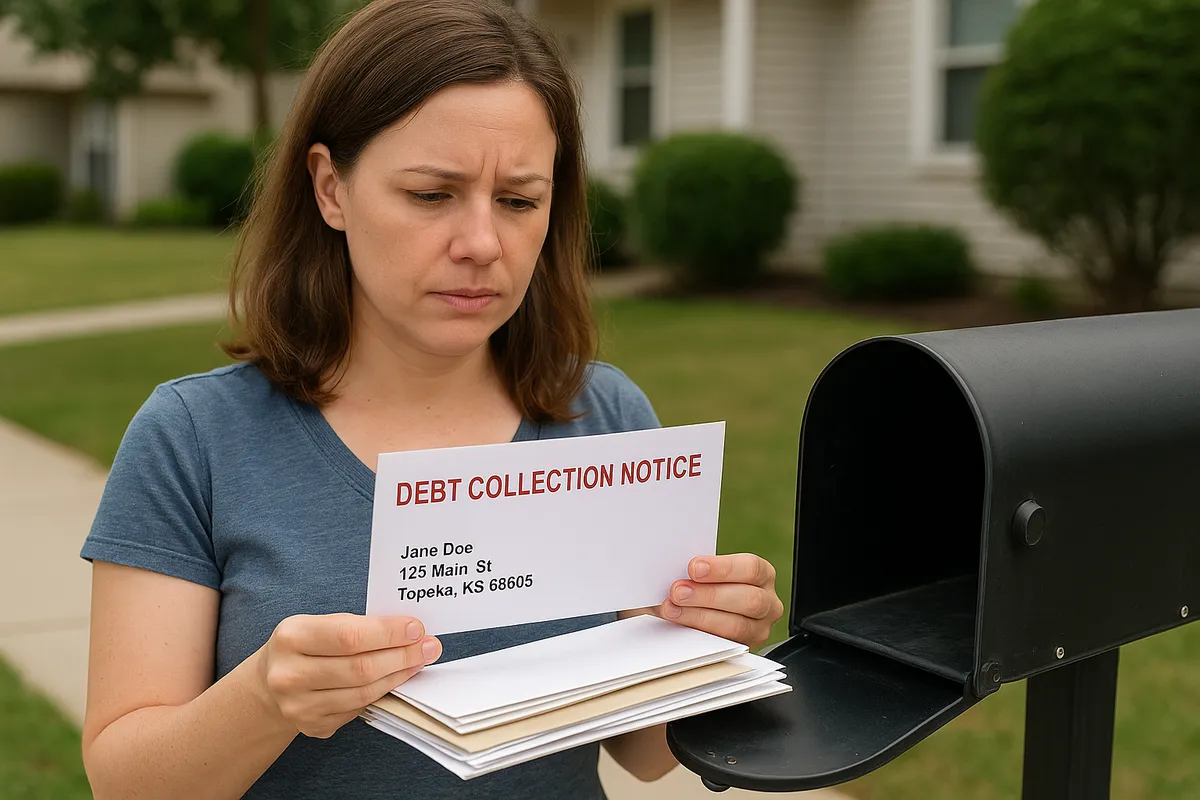
If you have a collection account on your credit report, it can feel like you have one big problem. But in reality, you usually have two separate problems that require two different tools:
- A collection company is trying to collect money (that is a debt collection issue).
- Your credit report is displaying information (that is a credit reporting issue).
A debt validation letter is for the first problem. A credit bureau dispute is for the second.
Both can be legitimate. Both can backfire if used carelessly. And neither is a magic wand that guarantees deletion. Let’s break down exactly what each one does, who it goes to, what documentation to include, and the deadlines that actually matter.
Quick way to choose the right move
When someone asks me, “Julian, should I validate the debt or dispute it?” my first question is always:
What problem are you trying to solve?
- You do not recognize the debt, the amount seems off, or you want the collector to show what they are collecting and why? Start with debt validation.
- The credit report details are wrong (wrong dates, wrong balance, wrong status, wrong person, duplicate reporting, account still reporting after it should have fallen off)? That is a credit bureau dispute.
- You are being sued or got court papers? That is neither of the above. You need to respond to the lawsuit by the court deadline, even if you also validate or dispute.
Debt validation letter: what it is and what it solves
A debt validation letter is a written request to a debt collector asking them to provide information verifying the debt.
Who you send it to
You send it to the debt collector who contacted you, using the address on their notice. This is not sent to Experian, Equifax, or TransUnion.
Also important: FDCPA validation rights generally apply to debt collectors (third parties collecting a debt). They do not always apply the same way to original creditors. People mix that up all the time.
What problem it solves
Validation is about the collection attempt. It is you saying, “Before we go any further, show me what you are collecting and why you believe I owe it.”
This is especially helpful when:
- You think you are a victim of identity theft or mixed files.
- You already paid the debt, settled it, or it was discharged in bankruptcy.
- The collector is contacting you about a debt that is old and you are unsure if it is yours.
- The amount is different from what you expected.
The deadlines that matter (and what they really mean)
Under the federal Fair Debt Collection Practices Act (FDCPA), the collector must give you a “validation notice” either in the initial communication or within 5 days after first contacting you.
If you send your validation request within 30 days of receiving that notice, the collector must generally cease collection communications and collection activity until they mail you verification of the debt.
Two clarifications that save people real headaches:
- You can still ask for validation after 30 days. The extra protection (the requirement to stop collection activity until verification is mailed) is tied to that 30-day window, but requesting information later can still be worthwhile.
- Validation is not the same as “prove it in court.” It is a consumer protection process. A collector can validate and still be wrong, or validate with minimal documentation, depending on the situation.
One more nuance: if a collector has already reported the debt to the credit bureaus, federal rules limit reporting it as undisputed after you timely dispute, but it does not mean the tradeline automatically disappears. It means the dispute status matters and the collector still has to follow the rules.
What to include with a validation request
Keep it simple and specific. You usually do not want to overshare personal details. In many cases, you do not need to send documents at all.
Include:
- Your name and mailing address.
- The reference number or account number from the collector’s letter.
- A clear statement that you are requesting validation or verification of the debt.
- A request for details such as the name of the original creditor, the amount claimed and how it was calculated, and information that shows you are the correct person.
Helpful add-ons when relevant:
- If you paid already, a copy of proof of payment or a settlement letter.
- If it was bankruptcy, a copy of the discharge order and the schedule page showing the creditor (if available).
- If it is identity theft, consider an FTC identity theft report and a police report if you have them, depending on your situation.
Practical tip: send it in a way you can track, and keep a copy for your records.
Credit bureau dispute: what it is and what it solves
A credit bureau dispute is a request to a credit reporting agency (Experian, Equifax, or TransUnion) to investigate information you believe is inaccurate or incomplete on your credit report.
Who you send it to
You send a dispute to the credit bureau(s) reporting the inaccurate item. If the same error appears on all three bureaus, you may need to dispute with all three.
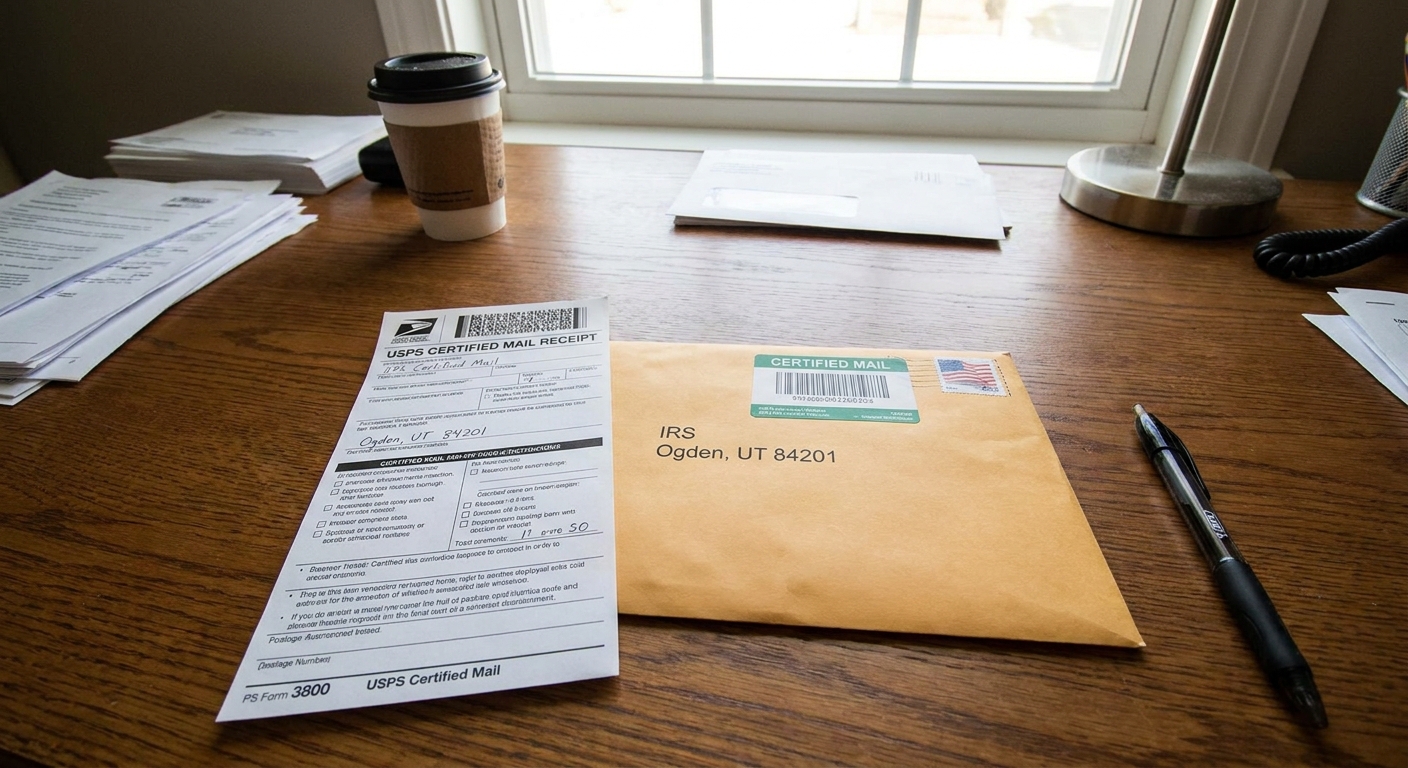
You can usually dispute online, by mail, or sometimes by phone. I strongly prefer methods that create a clean paper trail. Whether you file online or by mail, save copies of what you sent and what you received back.
What problem it solves
A bureau dispute is about data accuracy. You are essentially saying, “This tradeline is being reported wrong, and under federal law it needs to be corrected.”
Common examples of credit report problems that fit a bureau dispute:
- An account that is not yours.
- Duplicate collection accounts for the same debt.
- Incorrect dates, like a wrong date of first delinquency.
- Wrong payment status, such as showing “open” when it is closed.
- Incorrect balance or credit limit.
- Collection still reporting after it should have aged off your report.
About “aged off”: most negative information is typically reportable for about 7 years from the date of first delinquency, with exceptions. If you are close to that line, it is worth checking your dates carefully.
The deadlines that matter (investigation timelines)
Under the Fair Credit Reporting Act (FCRA), bureaus generally have 30 days to investigate a dispute. That can extend to 45 days if you provide additional information during the investigation.
During the investigation, the bureau typically contacts the company that furnished the information (the creditor or collector). After that process, the bureau must report results to you and correct or delete information that is inaccurate or cannot be verified.
Key reality check: a bureau dispute is strongest when you are pointing to a clear factual error, not just “I don’t want this on my report.”
What documentation to include with a bureau dispute
You want your dispute to be boring, organized, and easy to verify.
Include:
- A copy of the credit report page showing the item (circle the incorrect info if you are mailing it).
- Your identifying documents if requested (typically proof of identity and address, like a driver’s license and utility bill, depending on the bureau and method).
- Documents that support the correction you are requesting, such as payment records, a letter from the creditor, account statements, bankruptcy paperwork, or identity theft reports.
One of the most effective dispute styles is: one account, one dispute reason, one clear correction request.

Collection notices vs. lawsuits
I need to be crystal clear here because I have seen this go sideways in real life.
A debt collection letter is not a lawsuit. It is a notice from a company trying to collect.
Court papers are different. A summons and complaint (or any official court notice) means you have entered the legal process. Deadlines are set by your state and the court. If you ignore it, you can lose by default even if the debt is wrong.
If you are sued:
- Respond to the lawsuit by the deadline on the papers. This matters even if you also send a validation letter.
- Consider getting legal help. Many areas have legal aid or consumer law attorneys familiar with debt collection defense.
- Keep all documents. Do not rely on phone calls.
Validation and credit reporting disputes can be part of a broader strategy, but they are not a substitute for responding to the court.
Side-by-side comparison
- Recipient: Validation goes to the debt collector. Bureau dispute goes to Experian, Equifax, and/or TransUnion.
- Primary purpose: Validation is about whether the collector can substantiate the debt they are collecting. Bureau dispute is about whether your credit report is accurate.
- Best used when: Validation is best right after first contact or when the debt is unfamiliar. Bureau dispute is best when you can point to specific inaccurate or incomplete reporting.
- Deadlines: Validation has a key 30-day window tied to the collector’s validation notice for certain protections. Bureau disputes typically involve a 30-day investigation period (sometimes up to 45 days if you add information during the investigation).
- Documentation: Validation can be a straightforward request. Bureau disputes work best with supporting proof of the correction you want.
- What not to do: Do not use either process to stall a lawsuit. Court deadlines come first.
Which one should you do first?
Here are a few common scenarios and the cleanest first step.
If the collector just contacted you and you do not recognize the debt
Start with debt validation within the 30-day window if you can. You are trying to figure out what this is before you start moving pieces around with the bureaus.
If the debt is yours but the credit report details are wrong
Go with a credit bureau dispute, focused on the exact inaccurate fields. For example, disputing an incorrect balance is different than disputing ownership of the account.
If the debt is yours and the reporting is accurate, but you cannot afford it
Neither a validation letter nor a bureau dispute is the main tool. You are looking at budget triage, possibly a hardship plan, or negotiating directly with the collector or original creditor. If you negotiate, get terms in writing.
If it is identity theft
You may need a multi-step approach: identity theft documentation, disputes with bureaus, and direct communication with the furnisher or collector. Accuracy and paper trails matter a lot here.
If you got served court papers
Respond to the lawsuit. Full stop. Then you can coordinate validation, disputes, and documentation as part of your defense strategy.
Common mistakes I see (and how to avoid them)
Mixing up the audience
Sending a validation letter to a credit bureau will not accomplish what you think it will. The bureau is not the collector. Send the right request to the right place.
Disputing everything with no evidence
Mass disputes with vague language often waste time. Pick the strongest inaccuracies and back them up with documents when possible.
Assuming validation forces deletion
Sometimes collectors stop. Sometimes they validate. Sometimes they sell the account or transfer it. The goal is to clarify and protect your rights, not to rely on a guaranteed outcome.
Ignoring a summons because you are “disputing it”
This is the one that keeps me up at night. If you are sued, disputes and validation do not pause court deadlines. Treat court paperwork like a fire alarm.
Confusing credit reporting time limits with statute of limitations
The credit reporting clock (often about 7 years for many negative items) is not the same thing as your state’s statute of limitations for being sued on a debt. Also, in some situations, making a payment or admitting the debt can affect your legal position. If you are near a statute of limitations issue, it is worth getting legal advice before you make a move.
FAQ
Can I do both a debt validation letter and a credit bureau dispute?
Yes, sometimes you should. Just keep the objectives separate: validation addresses the collector’s claim, and a bureau dispute addresses what is reporting. If you do both, stay organized and track dates and responses.
Does disputing with the credit bureau stop a collector from calling?
Not automatically. A bureau dispute is a reporting investigation, not a command for a collector to stop contact.
If you want contact limits, look into your FDCPA rights. A written request to cease communications generally requires a collector to stop contacting you, with limited exceptions (for example, to confirm they will stop, or to notify you of specific actions like a lawsuit).
What if a collector validates but the credit report is still wrong?
Then dispute the specific reporting errors with the bureaus, and consider also disputing directly with the company furnishing the data (the creditor or collector) if appropriate. Your documentation is the difference-maker.
What if I never got a validation notice?
Collectors generally must provide required disclosures in the initial communication or within 5 days after. If you believe you did not receive required information, keep records and consider talking to a consumer law attorney or a certified credit counselor about your options.
The bottom line
A debt validation letter and a credit bureau dispute are not competing tools. They are different tools for different problems.
- If you are questioning whether a collector’s claim is legitimate, start with validation.
- If your credit report is inaccurate or incomplete, use a bureau dispute.
- If you are facing a lawsuit, respond to the court first and on time.
And if you are feeling overwhelmed, I want you to hear this plainly: this is not a character flaw. It is paperwork, timelines, and math. We can work with that.