
A step-by-step walkthrough of your Equifax, Experian, and TransUnion reports: what each section means, what’s normal, what’s not, and what to do next.
When my credit score was sitting at a 515, I would have tried just about anything that promised a quick delete. So I get why “Section 609 letters” are popular. They sound official. They sound like a loophole. And a lot of templates online make it seem like you can force the bureaus to “prove it” or remove any negative item automatically.
Here is the truth: Section 609 is real, but the way it is marketed is often fiction. A Section 609 letter can be useful in a narrow way, but it is not a magic eraser. If you use it correctly, it can help you gather information and build a real dispute. If you use it the way most templates push it, you are likely to waste time and get a generic response.

What Section 609 is
Section 609 refers to a part of the Fair Credit Reporting Act (FCRA) that gives you the right to request certain information from a credit reporting agency (Experian, Equifax, TransUnion). In plain English, it is about access.
Most importantly, Section 609 supports your right to:
- Request your file disclosure (your full credit file, not just a score summary).
- See the sources of information in your file in certain circumstances.
- Understand what is being reported so you can challenge inaccuracies.
One important clarification: when people hear “sources,” they often imagine a stack of contracts. In practice, it is usually more like the name and contact information of the company that furnished the data (a lender, servicer, or collector), plus the bureau’s own identifying details about you. It is not a requirement that a bureau mail you a signed contract, an “original application,” or “wet ink” proof of a debt.
If you want a clean baseline report, pull your official reports from AnnualCreditReport.com. Apps can be helpful, but they often hide fields that matter when you are trying to fix something.
Why the “609 loophole” spreads
A lot of 609 templates are built around a catchy argument:
- “Under Section 609 you must verify this account.”
- “Provide the original signed contract or delete.”
- “If you cannot provide documentation within X days, you must remove it.”
That story feels satisfying, especially if you have ever been burned by a creditor or blindsided by collections. The problem is that it mixes up different concepts in credit law and credit reporting:
- Debt validation (usually tied to collection activity rules) is not the same thing as credit reporting verification under the FCRA.
- The bureaus generally do not have original contracts because they are not the lender. They report what furnishers (lenders, servicers, collectors) send them.
- A dispute does not succeed because you used a statute number. It succeeds when the information is inaccurate, incomplete, cannot be verified during a reinvestigation, or is reported in a way that violates the FCRA.
Do 609 letters work?
Sometimes, but usually not for the reason people think.
When a 609 letter helps
- You need clarity on what is actually being reported (dates, balances, account status, prior addresses, etc.).
- You are building a targeted dispute and want your file disclosure and details first.
- The bureau has mixed files (your file includes someone else’s account or address).
When a 609 letter does little
- You send a generic template demanding “original contracts.”
- The account is accurate and within the reporting period.
- You are trying to delete legitimate late payments with no factual error.
Credit bureaus are allowed to verify information through their normal processes. If a furnisher confirms the data and it matches what they have, the bureau can mark the dispute as verified without sending you a contract.
609 vs. 611
If you remember one thing from this article, make it this: most people who say “609 letter” are actually looking for a Section 611 dispute outcome.
FCRA Section 611 is the part that covers your right to dispute inaccurate information and requires the bureau to conduct a reasonable reinvestigation.
So the practical workflow usually looks like this:
- Use 609 to request your file disclosure and understand what is being reported.
- Use 611 to dispute specific inaccuracies, with clear documentation.
Also worth knowing: you can often dispute directly with the furnisher (the company reporting the account) in addition to disputing with the bureaus. That can be helpful when the error is coming from the company’s own records.

What bureaus must do
They must
- Provide your file disclosure and certain key information in your file.
- Investigate disputes of information you believe is inaccurate or incomplete.
- Correct or delete information that is inaccurate, or that cannot be verified during the reinvestigation.
- Send you dispute results after the investigation.
They do not have to
- Send you a signed contract for every tradeline.
- Prove a debt is enforceable in court.
- Remove accurate negative information just because you cited Section 609.
- Process disputes that meet the legal standard for frivolous or irrelevant (for example, disputes with no specific claim, no new information after repeated submissions, or identity details that do not match).
Big 609 myths
Myth 1: “No contract means delete.”
Credit reporting is not the same as courtroom evidence rules. Verification often happens through electronic records and furnisher confirmation.
Myth 2: “It works for bankruptcies, foreclosures, and student loans.”
These items can be disputed if inaccurate, but they are not automatically removable. If you are disputing a public record or major derogatory item, you usually need a specific, factual hook, like a wrong case number, wrong filing date, wrong balance, or a duplicate entry, plus any supporting documentation you have.
Myth 3: “The right legal language removes anything.”
Legal-sounding wording does not replace facts. The FCRA is about accuracy and fairness, not vibes.
Myth 4: “Broader is better.”
Broad disputes are often less effective because they are easy to verify and hard to investigate meaningfully. The winning strategy is usually narrow, specific, documented. And to be clear, you do not want to dispute accurate items just to try to game scoring. Focus on real errors, missing context, or reporting that does not match the account’s true history.
Dispute like this instead
I am going to give you the approach I wish someone had handed me when I was staring at my report feeling sick to my stomach.
Step 1: Get your full reports
Start with your full reports from each bureau so you can see the details that apps often hide.
- Look for mismatched dates (Date of First Delinquency, last payment date, date opened).
- Look for incorrect balances, limits, or payment status.
- Look for accounts you do not recognize or addresses tied to someone else.
Step 2: Pick one account and one issue
Do not dispute 12 things at once. Choose one account and one clear problem, for example:
- “This collection shows a balance of $1,240, but the attached statement shows $0 after insurance paid.”
- “This account shows 60 days late in May, but I was on autopay and the bank statement shows payment posted on time.”
- “This account is not mine. The personal information does not match.”
Step 3: Attach proof
Good proof is boring proof. Think statements, letters from the creditor, payment confirmations, insurance EOBs, identity documents, or FTC and police reports for identity theft.
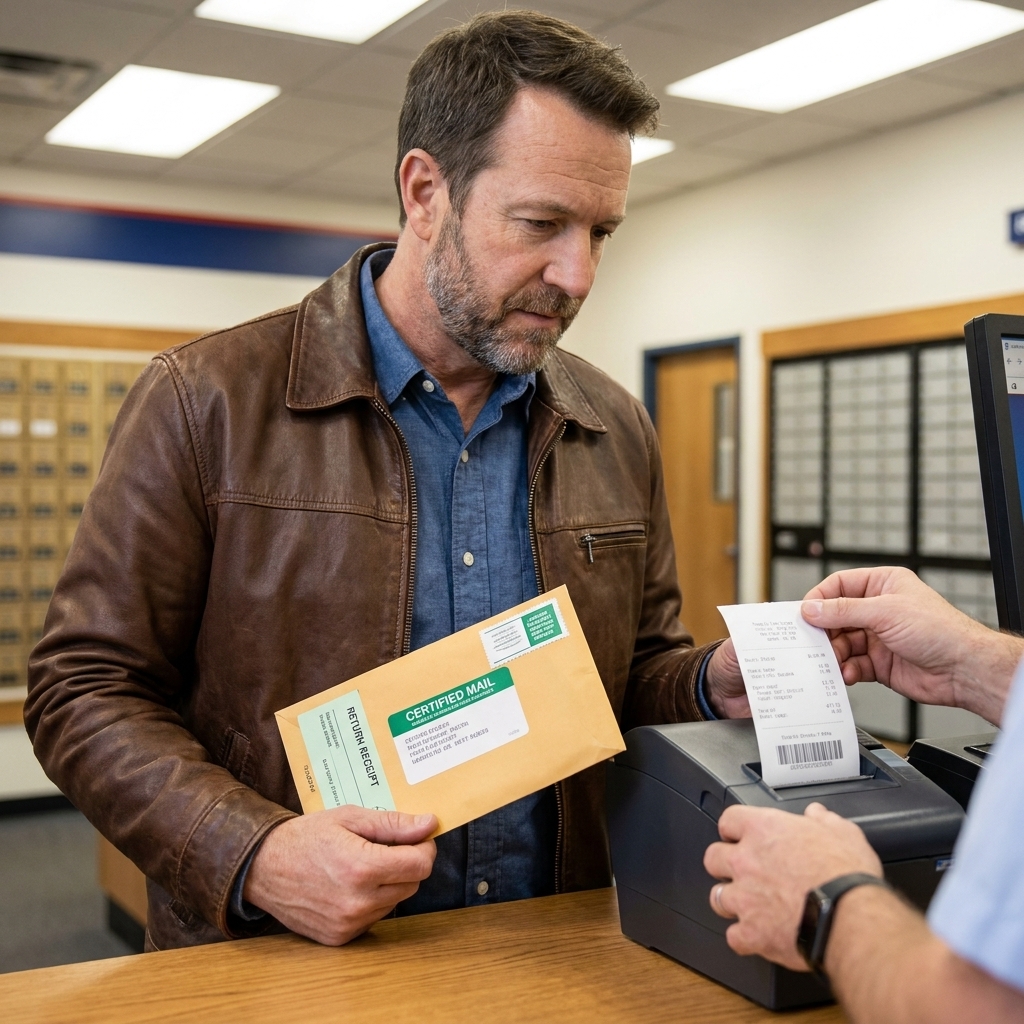
Step 4: Write a simple letter
Your letter should be short and specific:
- Identify the account and the exact field that is wrong.
- State what you want corrected or deleted.
- List the documents attached.
- Keep it calm and factual.
Here is what “simple” can look like:
“I am disputing the accuracy of the ABC Collections account (Acct. #1234) on my TransUnion report. It is reporting a balance of $1,240 as of June 2026. The attached statement from the original provider shows the balance was paid and is $0 as of May 2026. Please correct the balance to $0 or delete the tradeline if it cannot be verified.”
You can reference your rights under the FCRA, but you do not need to write it like a courtroom script.
Using 609 the right way
If you want to use Section 609 in a way that actually helps your case, use it as an information request, not a deletion demand.
What to request
- Your complete file disclosure from that bureau.
- The source of information being reported (typically the furnisher’s identity and contact information, where applicable).
- A list of inquiries and identifying information on file (names, addresses, employers).
What to do with it
- Spot mismatched identifiers that might be causing wrong accounts to stick.
- Confirm the dates that control how long an item can report.
- Build a tight Section 611 dispute based on factual inaccuracies.
Collections: two lanes
With collections, you usually have two lanes:
Lane 1: FCRA dispute
If the collection is reporting wrong information, dispute with the bureaus with proof.
Lane 2: Debt validation
If a collector is actively trying to collect, you may have rights to request validation. That is typically discussed under debt collection rules, not Section 609.
In the real world, a strong plan often combines both:
- Validate with the collector (when appropriate).
- Dispute inaccuracies with the bureaus.
- Negotiate a pay-for-delete when it makes sense, understanding not all collectors agree. The bureaus do not encourage deletion in exchange for payment, but agreements between you and a collector do happen in the wild. Treat it as a possibility, not a promise.
When to get help
You do not need a credit repair company to write letters, but you also do not have to do everything alone. Consider professional help if:
- You are dealing with identity theft.
- Your reports show signs of a mixed file.
- You have multiple collections and you are trying to avoid costly mistakes.
- You are preparing for a major loan and need a plan with timelines.
If you do get help, ask exactly what they dispute and why. Any service that promises to remove accurate items “because of Section 609” is waving a bright red flag.
FAQ
Is a Section 609 letter illegal?
No. Requesting your information and file disclosures is your right. The problem is the misleading marketing that frames it as a guaranteed deletion tactic.
How long does a bureau have to respond?
Most credit bureau disputes are completed in about 30 days. If you send additional information during the process, the timeline can be extended to 45 days in many cases. Track your dates and keep copies of everything you send.
Can a 609 letter remove late payments?
Late payments are removed when they are inaccurately reported or cannot be verified during a proper reinvestigation. If the late is legitimate, a 609 letter typically will not remove it. Your better option may be asking for a goodwill adjustment, especially if you have re-established on-time payments.
Can I dispute online instead of mailing letters?
Yes, but mailed disputes give you a cleaner paper trail and more control over what is submitted. For complicated disputes, I prefer mail so your documentation is less likely to get reduced to a short upload note.
The bottom line
Section 609 is not a secret weapon. It is a tool for getting information. If your credit report is wrong, you can absolutely use your rights under the FCRA to push for a correction or deletion. But the win comes from accuracy + evidence + a focused dispute, not from copying a template that demands a signed contract.
If you are in the messy middle of rebuilding, I want you to hear this from someone who has been there: a bad score is a temporary math problem. The fastest path forward is not a loophole. It is a clear plan, repeated patiently.