Use this monthly checklist to manage and protect your credit: statement reviews, utilization timing, payment systems, report checks, and fraud prevention steps.
When I was rebuilding my credit, the biggest fear was losing control of the basics: logging in, paying on time, and getting answers when something went sideways. Moving abroad can bring that same stress back, even if your score is solid today.
The good news: you can usually keep managing your U.S. credit accounts overseas. The key is planning for the unsexy stuff before your flight, like address policies, two-factor authentication, and how you will handle a fraud alert when you are six time zones away.
If you do nothing else, do these three:
- Turn on autopay (at least the minimum) for every account.
- Make sure your login and two-factor authentication will work outside the U.S.
- Confirm your issuers’ rules on foreign residency and what address they require on file.
Credit abroad basics
Your U.S. credit history generally stays in the U.S. In most cases, other countries do not pull your U.S. credit reports when you apply for local credit. And your U.S. lenders typically do not report to foreign bureaus.
So think of it like this:
- Keeping U.S. accounts open and healthy helps your U.S. credit score and your future self if you return.
- Building credit in a new country is usually a separate process with different rules, different bureaus, and sometimes different documents.
There are edge cases. Some international banks and expat-focused products may ask for a U.S. credit report, a credit reference letter, bank statements, or proof of income instead of (or in addition to) a local credit file. Plan for some extra paperwork the first time you apply for anything major abroad.
Issuer policies vary a lot. Some banks are totally fine with customers living abroad. Others require a U.S. mailing address, or they may restrict new credit limit increases and certain products once your profile shows foreign residency. The goal is to stay compliant without creating headaches.
Before you move
Here is the exact checklist I would want in your hands the month before you move.
1) Confirm issuer rules
Do not assume your card issuer or lender treats “living abroad” the same way as “traveling.” Call or secure-message each one and ask:
- Do you allow customers to maintain the account while living outside the U.S.?
- Do you require a U.S. physical address on file?
- Can I use a foreign mailing address for statements, replacement cards, or legal notices?
- If I keep a U.S. address for mailing, what documentation do you require to keep my account in good standing?
- Will foreign IP logins or foreign phone numbers trigger extra verification?
Important: Do not misrepresent your residency. If an issuer requires certain address types, ask what your compliant options are. Sometimes the solution is as simple as paperless statements and keeping a valid U.S. mailing address for correspondence. Other times, the issuer may recommend closing an account or switching products. It is better to hear that before you move than after your login gets locked.
Also worth asking directly: if you expect extended foreign activity, will anything about your profile trigger an account review? Some banks get cautious when they cannot easily verify identity or contact details, and you do not want to discover that mid-move.
2) Lock down logins and 2FA
Getting locked out of your bank portal from another country is a special kind of frustration. Before you go:
- Update your email address and confirm you can access it from abroad.
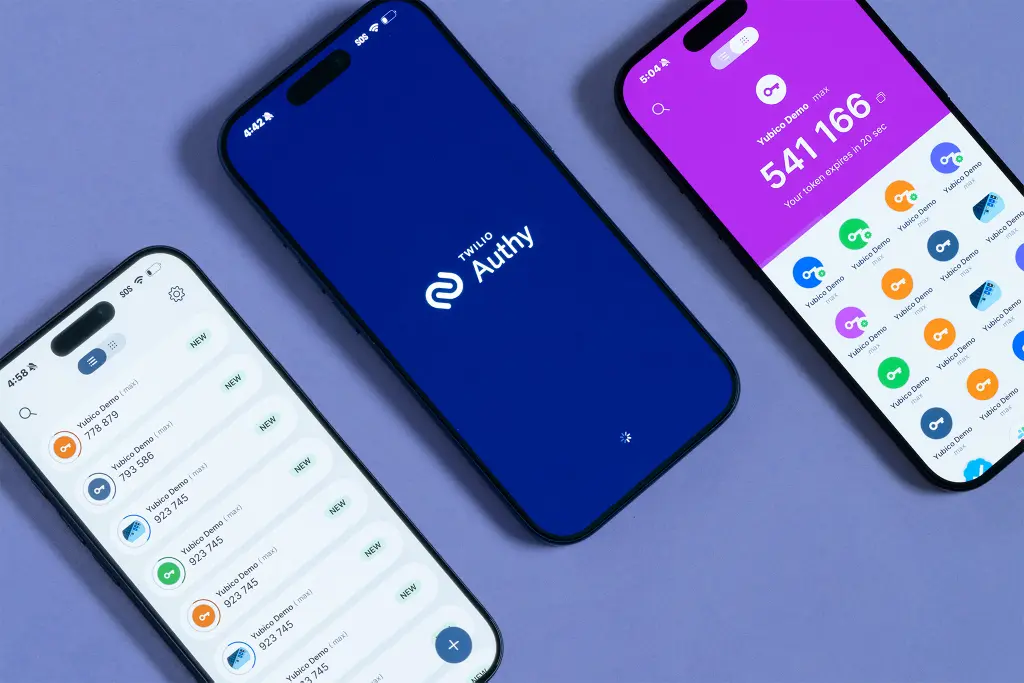
- Set up app-based authentication if your issuer allows it, or confirm your current two-factor method will work internationally.
- Check your U.S. phone plan: Will you keep your number? Will you be able to receive SMS codes overseas? If not, ask the issuer what alternatives they support.
- Download the bank apps and test logins on your phone and a backup device (tablet or laptop).
- Save trusted device settings where available, so every login does not look “new.”
Common alternatives to SMS, if your issuer supports them, include authenticator apps, push-to-app approvals, security keys, or voice calls. If a lender only uses SMS to a U.S. number, that is not automatically a dealbreaker, but it is a risk. Have a plan before you are standing in a foreign airport trying to approve a transaction.
Payments
Your payment history is the biggest slice in common FICO scoring models. Moving is chaotic. Your system needs to be boring.
3) Use autopay plus a backup
- Enable autopay for at least the minimum payment on every credit card and loan.
- Consider autopay for the statement balance if your cash flow is steady and you keep a cushion.
- Add calendar reminders a few days before the due date anyway. Autopay can fail for reasons that have nothing to do with you.
4) Keep a reliable U.S. funding source
If your accounts are paid from a U.S. checking account, make sure that account will remain open and accessible. If you will be earning in a foreign currency:
- Plan for exchange rate swings so a “normal” payment does not overdraft the funding account.
- Maintain a buffer in the U.S. payment account, especially if your payday and your U.S. due dates do not align.
- If you will use international transfers, test a small transfer before you leave and note the timing.
5) Adjust due dates
Many major issuers let you change your payment due date. A move is a good time to align due dates after your income hits, and not during a travel-heavy week.
Statements and contact
6) Go paperless and save records
Switch to paperless statements where possible. Then download and store:
- Last 12 to 24 months of statements for major accounts
- Your account agreements (especially for loans and cards you use often)
- Recent payment confirmation pages for any accounts in payoff or hardship programs
Keep a secure copy in an encrypted password manager or a reputable secure storage solution. If you ever need to prove a payment, you want that statement on hand.
While you are in here, make tax-related delivery boring too. Opt into paperless 1099s where available and confirm any year-end forms will be reachable. It is an easy detail to miss when everything else is in motion.
7) Update contact channels
- Confirm your email is the primary contact where possible.
- Update your mailing address based on what the issuer allows.
- Save the issuer’s international support numbers, including any collect-call options.
- Ask about adding a trusted contact or verbal password for phone support if your issuer offers it.

Fraud and locks
Foreign transactions can trigger fraud alerts, especially during your first few weeks abroad.
8) Use travel and card controls
Some issuers no longer use travel notices, but many still have location settings or card controls. Check your card’s app for:
- Travel or location settings
- Merchant category controls
- Instant transaction alerts
9) Turn on real-time alerts
Enable push notifications or email alerts for:
- Charges above a chosen amount
- Card-not-present purchases
- International transactions
- Password changes and profile updates
This helps you catch fraud quickly without needing your card to decline repeatedly, which can get embarrassing fast.
10) Know your replacement plan
Ask each issuer:
- Will you ship a replacement card internationally?
- What carriers do you use?
- Can you expedite shipping abroad?
- Do you support digital wallet provisioning quickly after replacement?
If an issuer will not ship internationally, you need to decide whether that card stays in your “backup” category or whether you want to move spending to an issuer with better international support.
Using cards abroad
A lot of people conflate “managing credit” with “using credit.” They overlap, but they are not the same.
11) Watch fees and acceptance
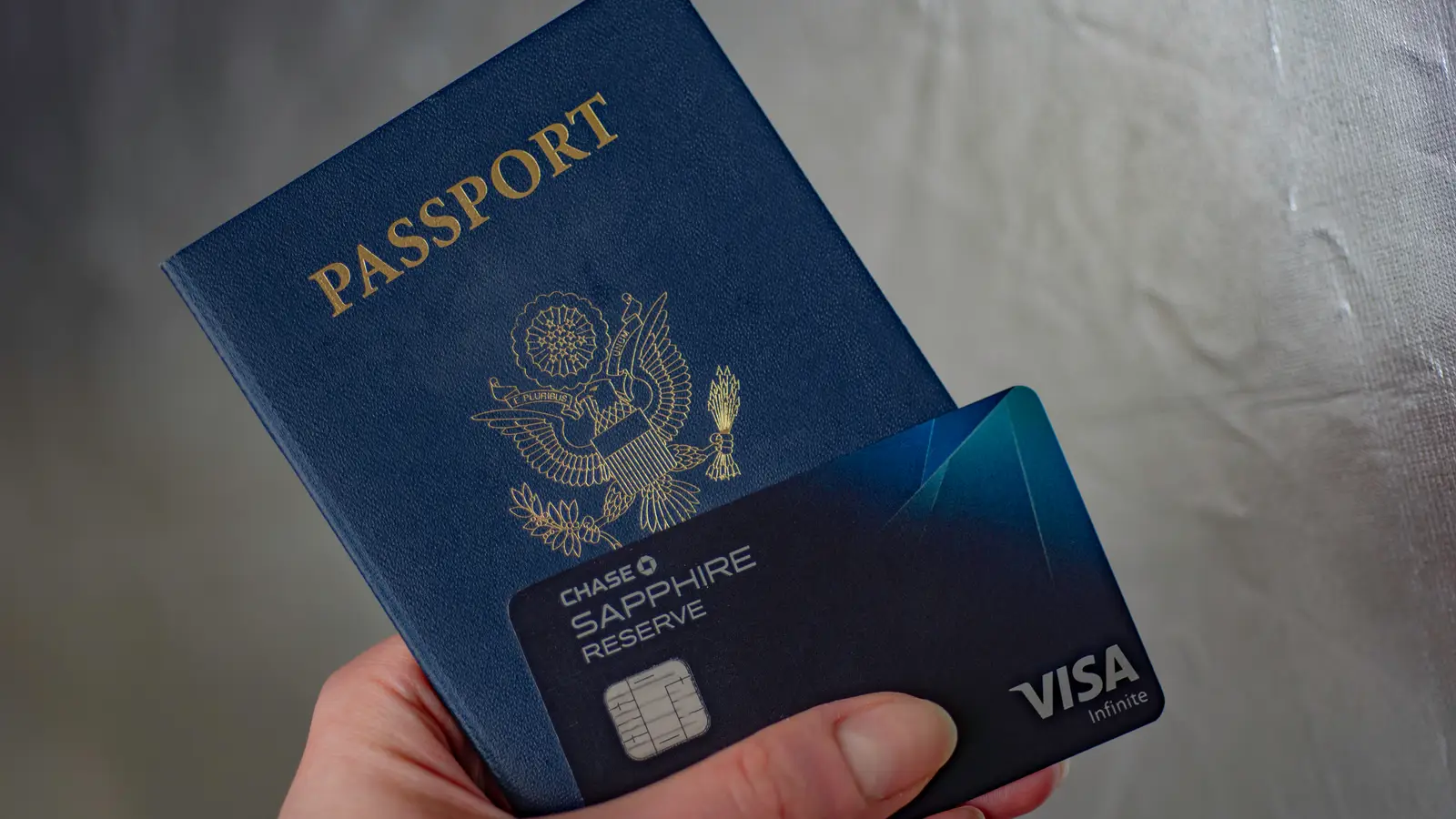
- Foreign transaction fees: If a card charges them, long-term overseas use gets expensive fast. Consider shifting everyday spending to a card without foreign transaction fees.
- PIN and terminals: Some countries lean harder on chip-and-PIN. Make sure you know your PIN, and set one if your issuer allows it.
- Cash plans: Even if you prefer cards, build a simple cash access plan for places that are cash-heavy. Know your ATM fees and your daily limits.
Keep your U.S. score strong
Even from thousands of miles away, your score still follows the same math.
12) Skip unnecessary new accounts
A move can trigger the urge to “prepare” by opening extra credit cards. If you do not truly need them, skip it. New accounts can add complexity, increase fraud risk, and create more logins and due dates to manage.
13) Keep utilization low and old accounts alive
- Try to keep credit card balances low relative to limits.
- If you have older cards you rarely use, consider a small recurring charge (that you would buy anyway) plus autopay to keep activity steady.
Do not force spend. The point is to prevent dormancy closures while keeping your budget calm.
14) Monitor and set up freezes now
You can still monitor your credit reports and scores while overseas. Make it a monthly habit to:
- Review alerts for new accounts or address changes
- Check for unexpected late payments
- Dispute inaccuracies quickly if they appear
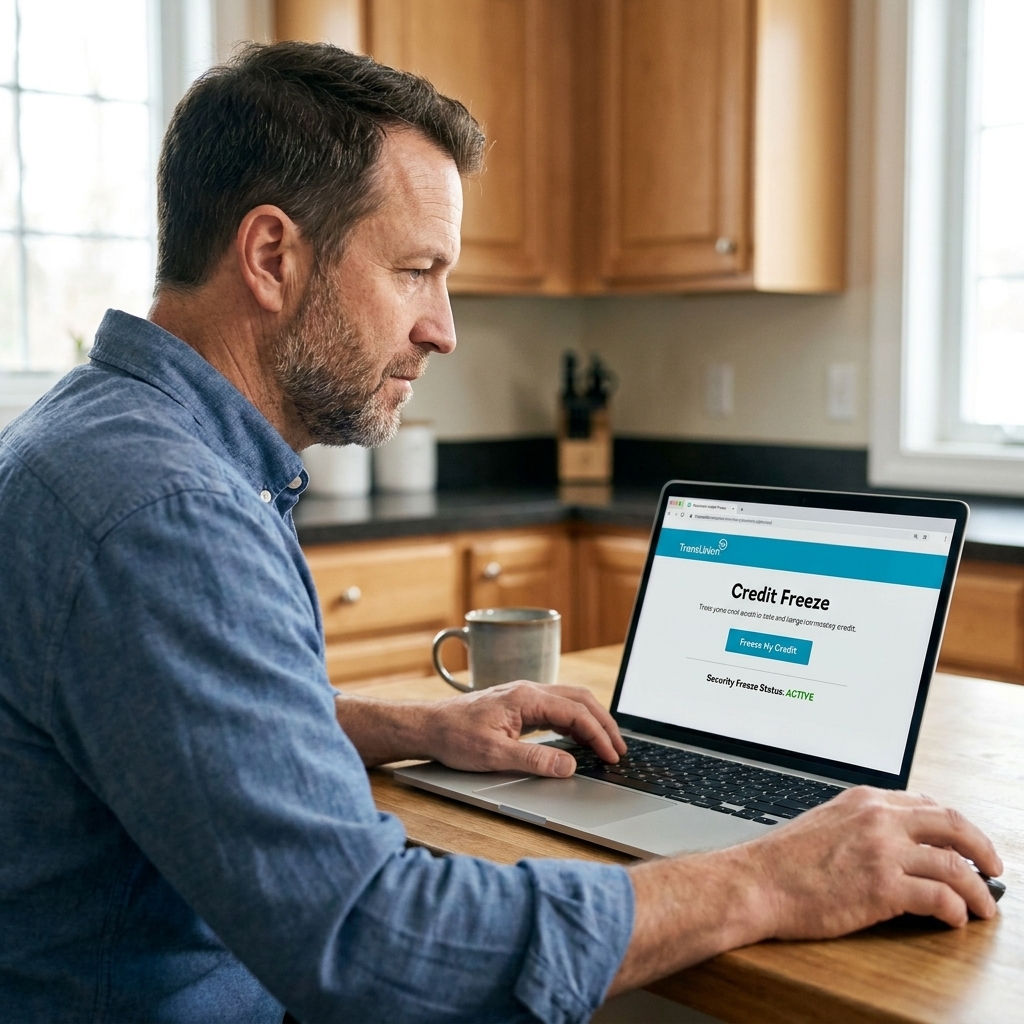
If you suspect identity theft, consider placing a fraud alert or credit freeze. One practical tip: set up your online accounts with the three major bureaus and make sure you can pass their identity verification before you leave. From abroad, freezing and unfreezing can be harder if your process relies on a U.S. phone number or mailed PINs.
Addresses
This is the part that trips people up, and it is where I have seen the most avoidable chaos.
Some issuers require a U.S. address on file for certain accounts. Others will let you keep a U.S. address for mailing and a foreign address elsewhere in your profile. The compliant answer depends on the issuer’s written policy.
- If you have a legitimate U.S. mailing address where you can reliably receive important mail, ask the issuer how to set it up correctly.
- If you do not, prioritize paperless statements and confirm how you will receive legal notices.
What I do not recommend is pretending you live somewhere you do not. If your bank later asks for verification, the cleanup can be messy and can put the account at risk.
One more reality: some banks are less comfortable with extended foreign activity and may freeze access during an identity check. That is another reason to keep at least one “expat-friendly” institution in your lineup and make sure your contact methods are solid.
One-page checklist
- Contact every card issuer and lender to confirm residency and address rules
- Enable app login and confirm two-factor authentication will work abroad
- Set autopay at least to the minimum on every account
- Ensure your U.S. funding account stays open and funded
- Change due dates to a manageable schedule (where available)
- Go paperless, then download recent statements and agreements
- Confirm tax forms and year-end documents will be reachable
- Turn on real-time transaction and account-change alerts
- Confirm replacement card shipping options internationally
- Check foreign transaction fees and confirm your card PIN situation
- Set up bureau logins and a freeze plan before you leave
- Set a monthly credit monitoring routine
FAQ
Will living abroad hurt my U.S. credit score?
Not by itself. Your score reacts to your accounts: on-time payments, utilization, and any negative marks. If you keep paying on time and keep balances in check, moving does not automatically change your score.
Can I use my U.S. credit cards overseas long-term?
Often yes, but policies vary by issuer. The bigger issues are fraud controls, replacement card logistics, foreign transaction fees, and whether the issuer requires certain address types. Confirm before you go.
Should I close U.S. credit cards when I move?
Not automatically. Closing cards can reduce available credit and may shorten your active credit profile over time. If a card has high fees you no longer benefit from, or the issuer cannot support you abroad, then closing might make sense. Do it intentionally, not in a moving frenzy.
Do I need to open new U.S. credit cards before leaving?
If you have a clear reason, maybe. But opening accounts just because you are moving can create more risk than value. Keep it simple unless there is a specific benefit you will actually use.